
Wan Alternative
Looking for a Wan Alternative? Keep One Character Across Every Clip
Wan (wan.video) is an AI creative platform for video and images. RYLA takes a different route: you design one new character in a step-by-step builder, lock its face in a reference sheet, and generate that same character across photos, video, and talking clips.
Last updated
AI-generated creative direction
Which One Should You Use?
you want to design a recurring character step by step (niche, look, outfit, personality, voice), lock its face in a reference sheet, and generate its photos, video, talking clips, and video swaps in one workspace
you want a general-purpose platform with text-to-video, text-to-image, image-to-image, image-to-video, and image editing, starting from a prompt or an image
Where Each Platform Wins
Wan (wan.video) describes itself as an AI creative platform that aims to lower the barrier to creative work with artificial intelligence, offering text-to-image, image-to-image, text-to-video, image-to-video, and image editing. RYLA starts from the character instead: you design a new one in the builder, without uploading photos of anyone, and generate new content from that one character. These are different jobs, so the table shows where each fits rather than declaring one better overall. Facts about Wan come from the description on its public homepage, as of 22 November 2026; its membership and prices are not compared here, so check them on its own site. RYLA plans come from the RYLA pricing page. The table includes the rows where Wan is ahead.
| Feature | RYLARecommended | Wan |
|---|---|---|
| Plans | Monthly plans from Basic at $34.99 a month; credits and character limits are on the pricing page. | Its membership and credit prices are not compared here; check them on its own site. |
| General-purpose generation modes | Image-to-video of your own character, talking avatar clips with the voice chosen in the builder, and video swap. | Its homepage description lists text-to-image, image-to-image, text-to-video, image-to-video, and image editing. |
| Image editing | Studio makes new photos of your character from templates; it is not a general editor for any uploaded image. | Its homepage description lists image editing as a feature. |
| Starting point | A character you design in the builder, with no photos of anyone uploaded. | A prompt or an image, going by the modes its homepage lists. |
| Design a new character from scratch | A step-by-step builder: niche, gender and style, ethnicity, age, skin, eyes, face shape, hair, outfit and scene, personality and name, then a voice. | A character builder is not described on its homepage. |
| Keeping one face consistent | After the builder you pick a base image, and RYLA generates a reference sheet of that face that new content is made from. | How it holds one face across separate clips is not described on its homepage and is not compared here. |
The RYLA column, shown rather than claimed. Rows whose claim is a price or a policy carry no image on purpose.
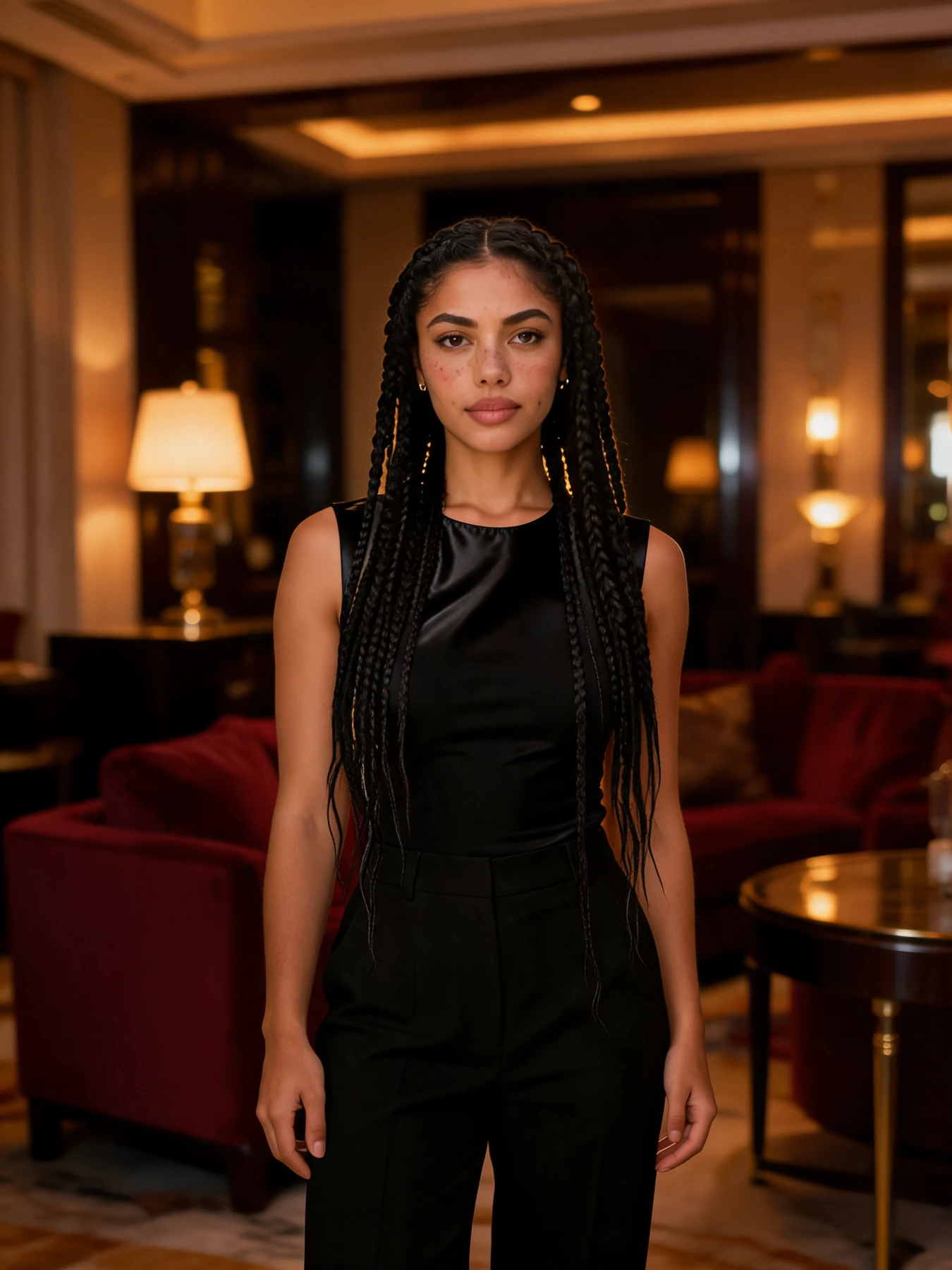
The Same Face in Four Different Scenes
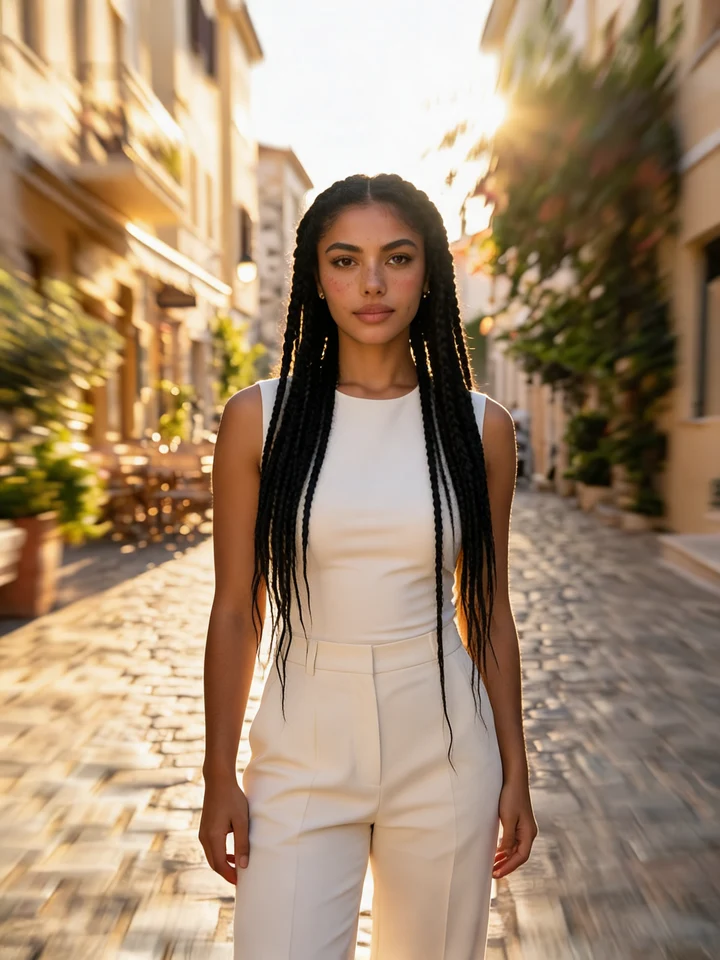
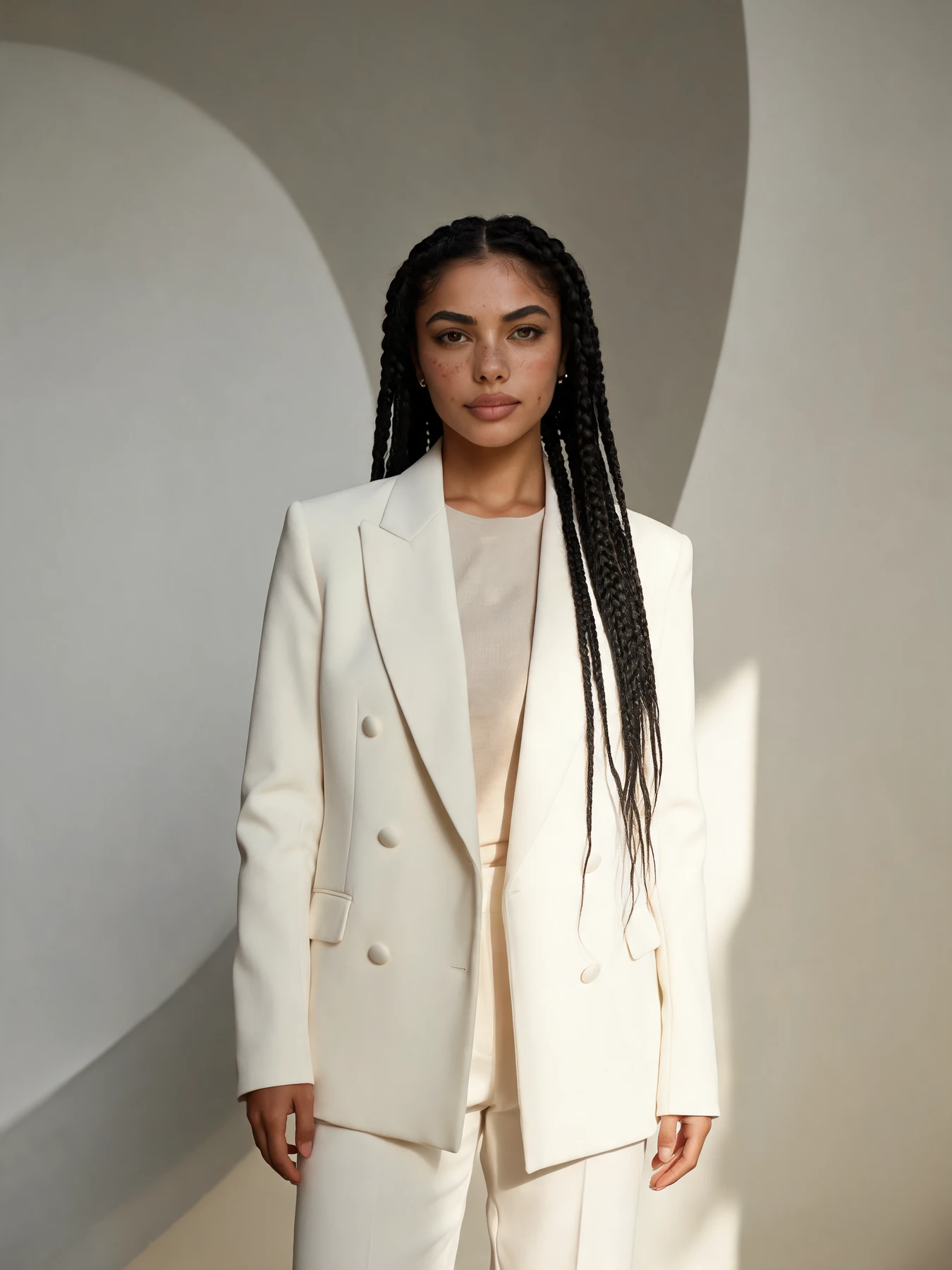
Every image here was generated with RYLA. One character, four different scenes, nothing retouched in between.
Where RYLA Wins
No Photos of You Needed
RYLA's builder starts from a character you design, not from photos you upload. You choose niche, look, outfit and scene, then personality, name, and voice, and RYLA generates base images to pick from.
One Face, Locked in a Reference Sheet
You pick one base image of your character, RYLA generates a reference sheet of that face, and new photos and clips are made from that sheet.
Photos, Video, and Talking Clips of One Character
After finalizing, Studio generates new photos from templates, image-to-video puts a still in motion, Avatar Video creates talking clips with the voice chosen in the builder, and video swap places the same character into an existing clip.
Honest About the Gap
Wan is a general-purpose creative platform with text-to-video, text-to-image, image-to-image, and image editing modes. If you want those open-ended modes, it covers them more directly than RYLA does today.
Where Wan Still Wins
Wan is ahead on breadth of generation modes. Its homepage lists text-to-video, text-to-image, image-to-image, image-to-video, and image editing, so you can start from a prompt or an image without designing a character first. RYLA is built around one designed character, so it is narrower by design. If you want open-ended prompts and edits rather than a recurring character, Wan fits that job more directly.
Switching from Wan to RYLA
There is no import between the two products, so switching means building your character once in RYLA. This is the actual sequence in the RYLA builder:
- Pick a niche, then gender and style.
- Set the look: ethnicity, age, skin, eyes, face shape, and hair.
- Choose outfit and scene, then personality and a name, then a voice.
- Generate base images and pick the one that becomes your character.
- RYLA generates a reference sheet of that face.
- Finalize, then create new photos in Studio, motion with image-to-video, talking clips in Avatar Video, and swaps in Video Swap.
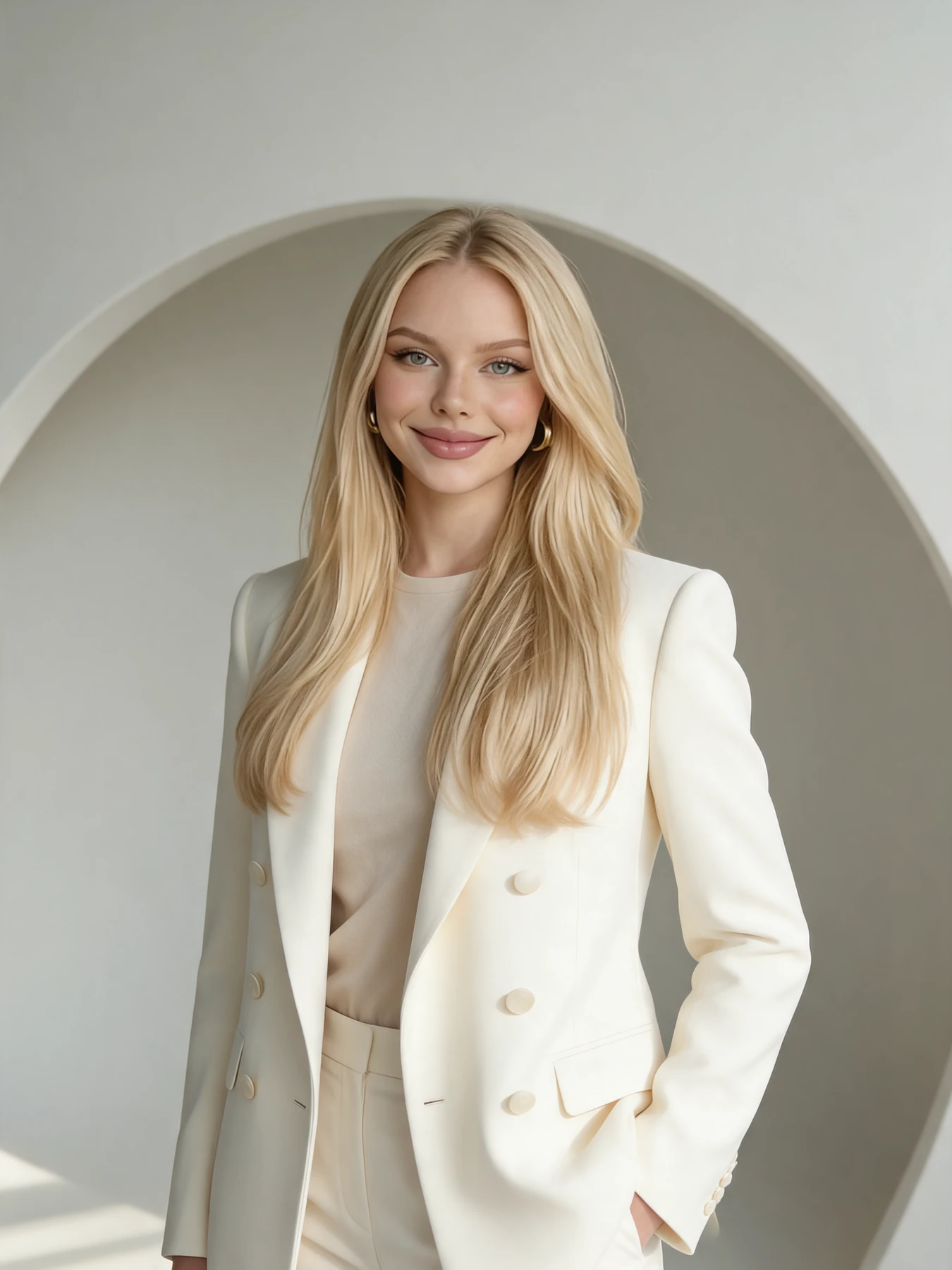
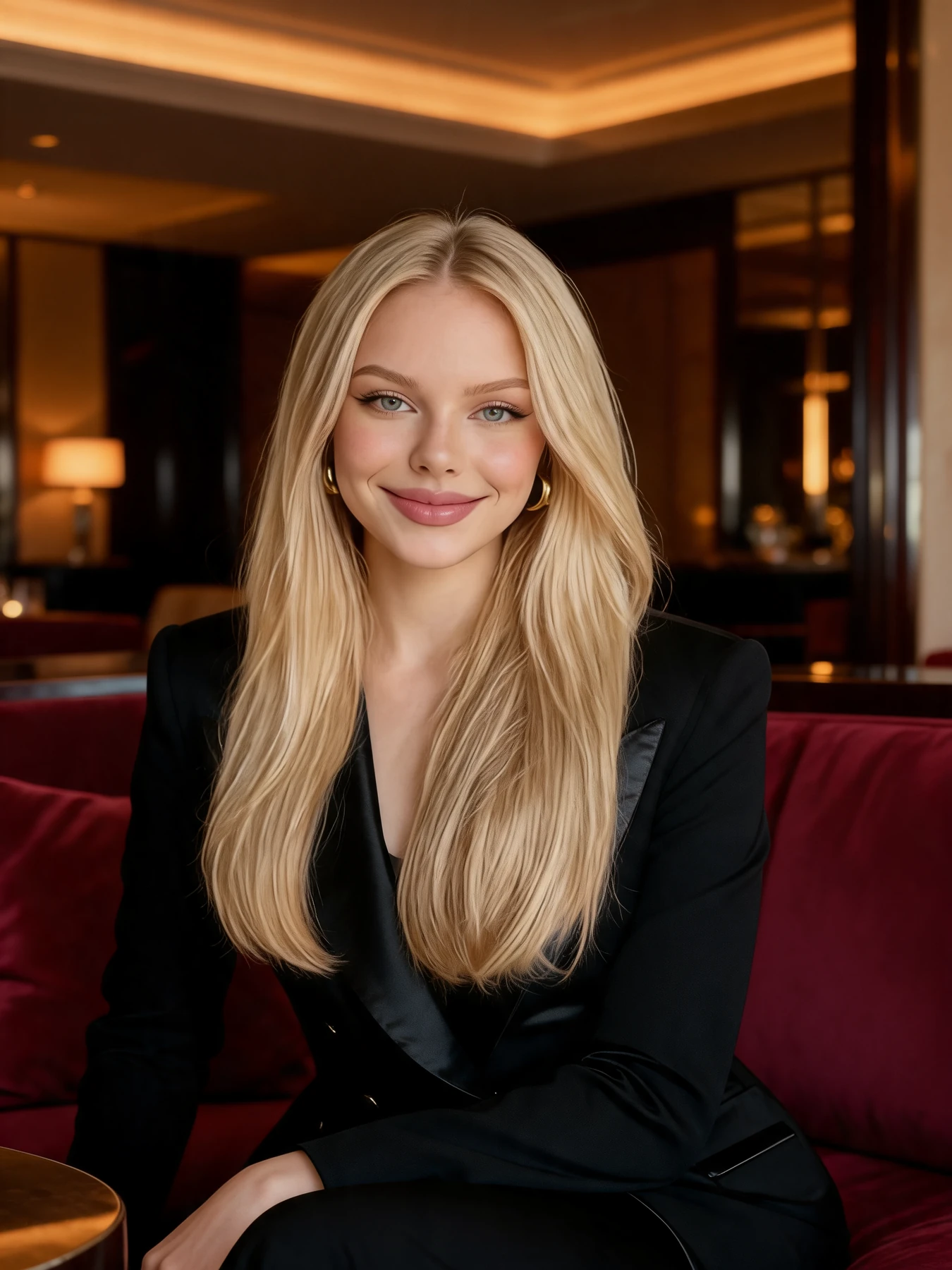
Here is one RYLA character from the showcase on this site, generated in two different scenes:
If you liked a look you made in Wan, use it as your brief in step 2. Current plans are on the pricing page. For other comparisons, see the Kling AI alternative, the Eromify alternative, and RYLA vs Higgsfield pages.
Verdict
Choose Wan if you want a general-purpose platform with text-to-video, text-to-image, image-to-image, image-to-video, and image editing. Choose RYLA if you want to design one new character in detail, lock its face in a reference sheet, and generate its photos, video, talking clips, and video swaps in one workspace. RYLA is not affiliated with, endorsed by, or connected to Wan; the name Wan is used on this page only to identify that service.