
Looking for a Midjourney Alternative? Keep One Character Across Every Image
Midjourney (midjourney.com) is an AI image generator with a large set of style and reference controls. RYLA takes a different route: you design one new character in a step-by-step builder, lock its face in a reference sheet, and generate that same character across photos, video, and talking clips.
Which One Should You Use?
you want to design a recurring character step by step (niche, look, outfit, personality, voice), lock its face in a reference sheet, and generate its photos, video, talking clips, and video swaps in one workspace
you want an image generator driven by text prompts with detailed style and parameter controls, and you are happy to supply a reference image when you want to carry a character across images
Where Each Platform Wins
Midjourney is a subscription image generator. Its documentation describes style and parameter controls, an Omni Reference feature that brings a character, object or creature from one reference image into new images, and options for animating a still image. RYLA starts from the character instead: you design a new one in the builder, without uploading photos of anyone, and generate new content from that one character. These are different jobs, so the table shows where each fits rather than declaring one better overall. Facts about Midjourney come from its public documentation, as of 6 November 2026; its plans and prices are not compared here, so check them on its own site. RYLA plans come from the RYLA pricing page. RYLA is not affiliated with, endorsed by, or connected to Midjourney; the name is used only to identify that service. The table includes the rows where Midjourney is ahead.
| Feature | RYLARecommended | Midjourney |
|---|---|---|
| Plans | Monthly plans from Basic at $34.99 a month; credits and character limits are on the pricing page. | Paid subscription plans; current plans and prices are on its own site and are not compared here. |
| Style and prompt controls | Templates and a builder for your character; there is no parameter list to tune. | Its documentation lists a long set of style, version and parameter controls for fine control over each image. |
| Reference-based generation | New photos are made from the reference sheet of your character. | Omni Reference brings a character, object or creature from a reference image into new images; its documentation says only one image can be used at a time. |
| Design a new character from scratch | A step-by-step builder: niche, gender and style, ethnicity, age, skin, eyes, face shape, hair, outfit and scene, personality and name, then a voice. | A character builder is not described in the documentation pages read. |
| Keeping one face consistent | 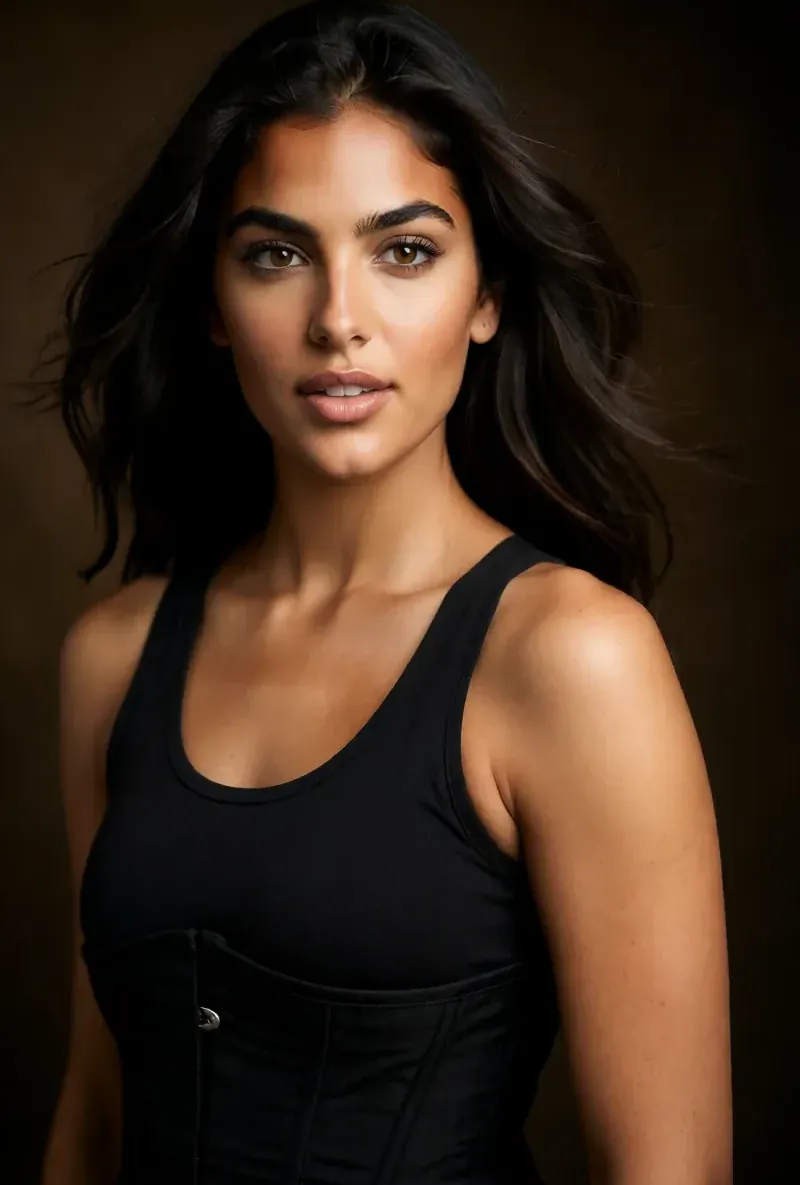 After the builder you pick a base image, and RYLA generates a reference sheet of that face that new content is made from. | To carry a character across images, you supply a reference image; how well a face holds across scenes is not compared here. |
| Video |  Image-to-video of your character, talking avatar clips with the voice chosen in the builder, and video swap. | Its documentation lists options for animating a still image into a clip; talking clips are not compared here. |
The RYLA column, shown rather than claimed. Rows whose claim is a price or a policy carry no image on purpose.
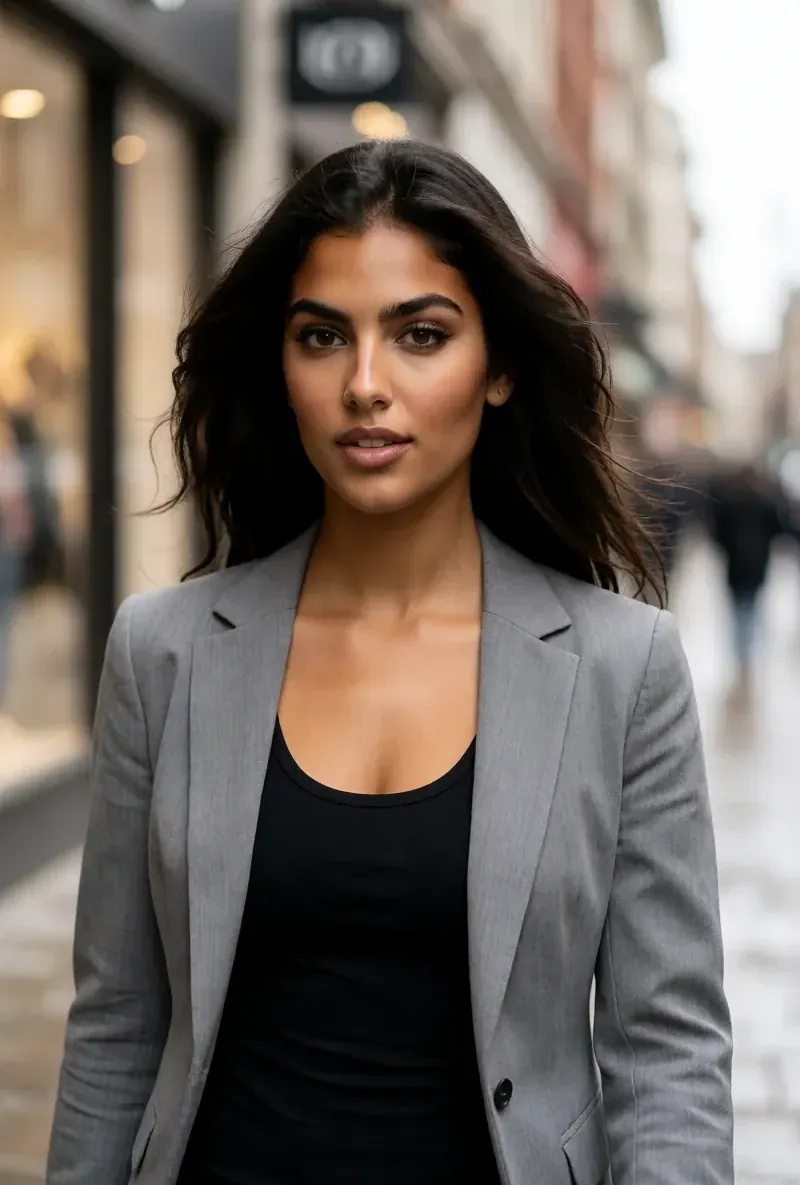
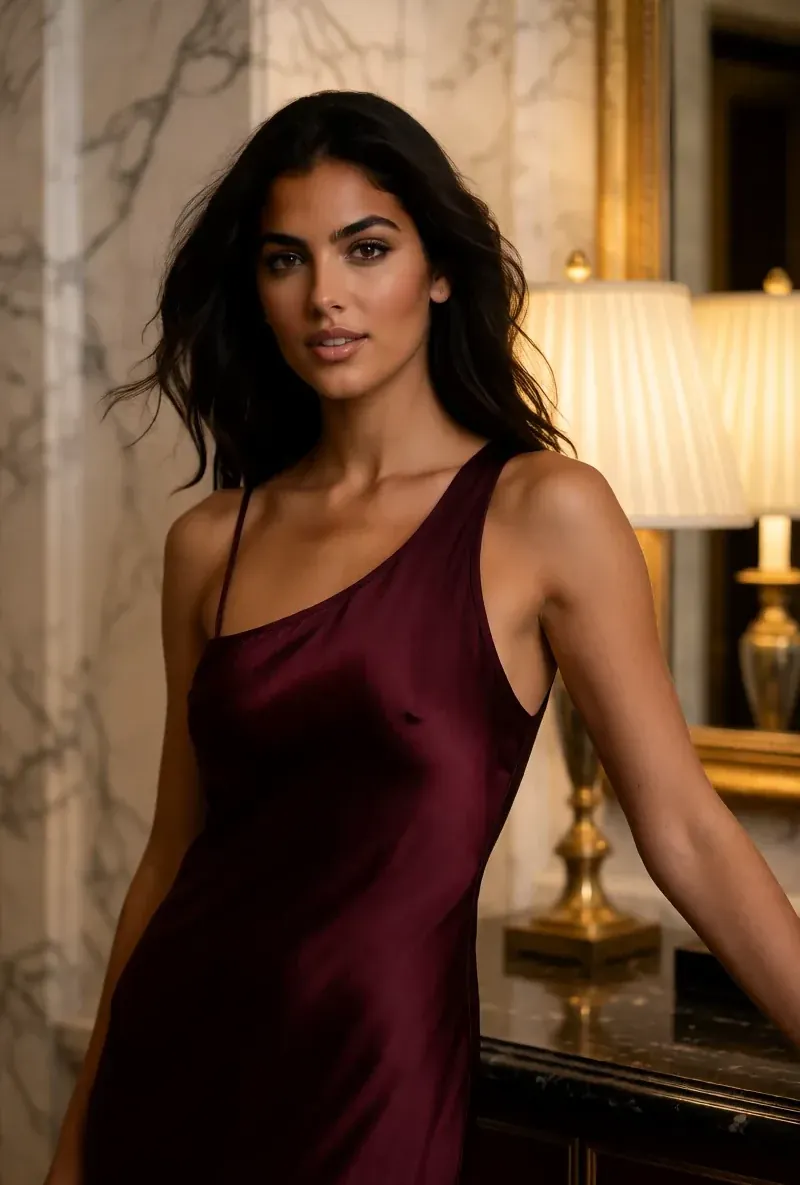
The Same Face in Four Different Scenes
Every image here was generated with RYLA. One character, four different scenes, nothing retouched in between.
Where RYLA Wins
No Photos of You Needed
RYLA's builder starts from a character you design, not from photos you upload. You choose niche, look, outfit and scene, then personality, name, and voice, and RYLA generates base images to pick from.
One Face, Locked in a Reference Sheet
You pick one base image of your character, RYLA generates a reference sheet of that face, and new photos and clips are made from that sheet.
Photos, Video, and Talking Clips of One Character
After finalizing, Studio generates new photos from templates, image-to-video puts a still in motion, Avatar Video creates talking clips with the voice chosen in the builder, and video swap places the same character into an existing clip.
Honest About the Gap
Midjourney is an image generator with a long list of style and parameter controls. If fine control over the look of a single image is what you need, it covers that more directly than RYLA does today.
Where Midjourney Still Wins
Midjourney is ahead on control over a single image. Its documentation lists many style, version and parameter options, while RYLA gives you a builder and templates rather than a parameter list. If you make one-off images and want to tune every detail of each one, Midjourney fits that job more directly.
Switching from Midjourney to RYLA
There is no import between the two products, so switching means building your character once in RYLA. This is the actual sequence in the RYLA builder:
- Pick a niche, then gender and style.
- Set the look: ethnicity, age, skin, eyes, face shape, and hair.
- Choose outfit and scene, then personality and a name, then a voice.
- Generate base images and pick the one that becomes your character.
- RYLA generates a reference sheet of that face.
- Finalize, then create new photos in Studio, motion with image-to-video, talking clips in Avatar Video, and swaps in Video Swap.
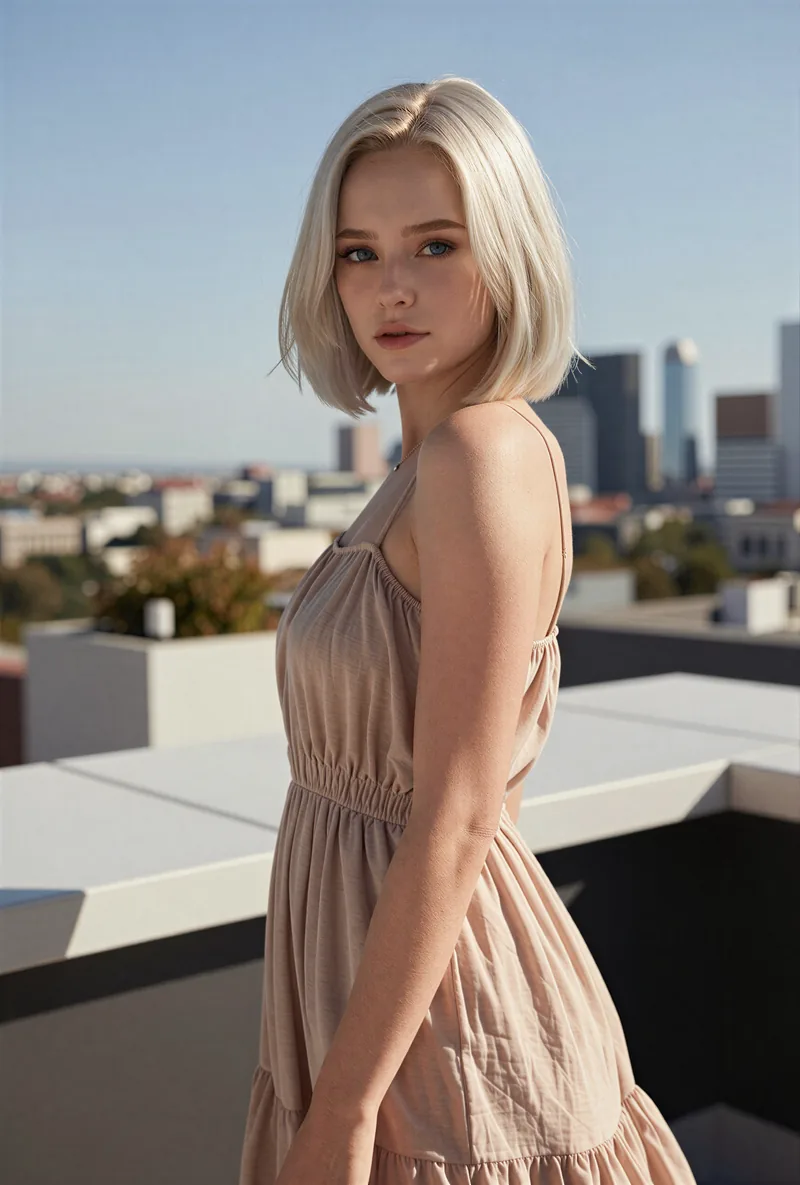
Here is one RYLA character from the showcase on this site, generated in two different scenes:

If you liked a look you made in Midjourney, use it as your brief in step 2. Current plans are on the pricing page. For other comparisons, see the Kling AI alternative page, RYLA vs Higgsfield, and the guide to how the major platforms compare on character consistency.
Verdict
Choose Midjourney if you want an image generator driven by text prompts with detailed style and parameter controls, and you supply a reference image when you want to carry a character across images. Choose RYLA if you want to design one new character in detail, lock its face in a reference sheet, and generate its photos, video, talking clips, and video swaps in one workspace. RYLA is not affiliated with, endorsed by, or connected to Midjourney; the name Midjourney is used on this page only to identify that service.